

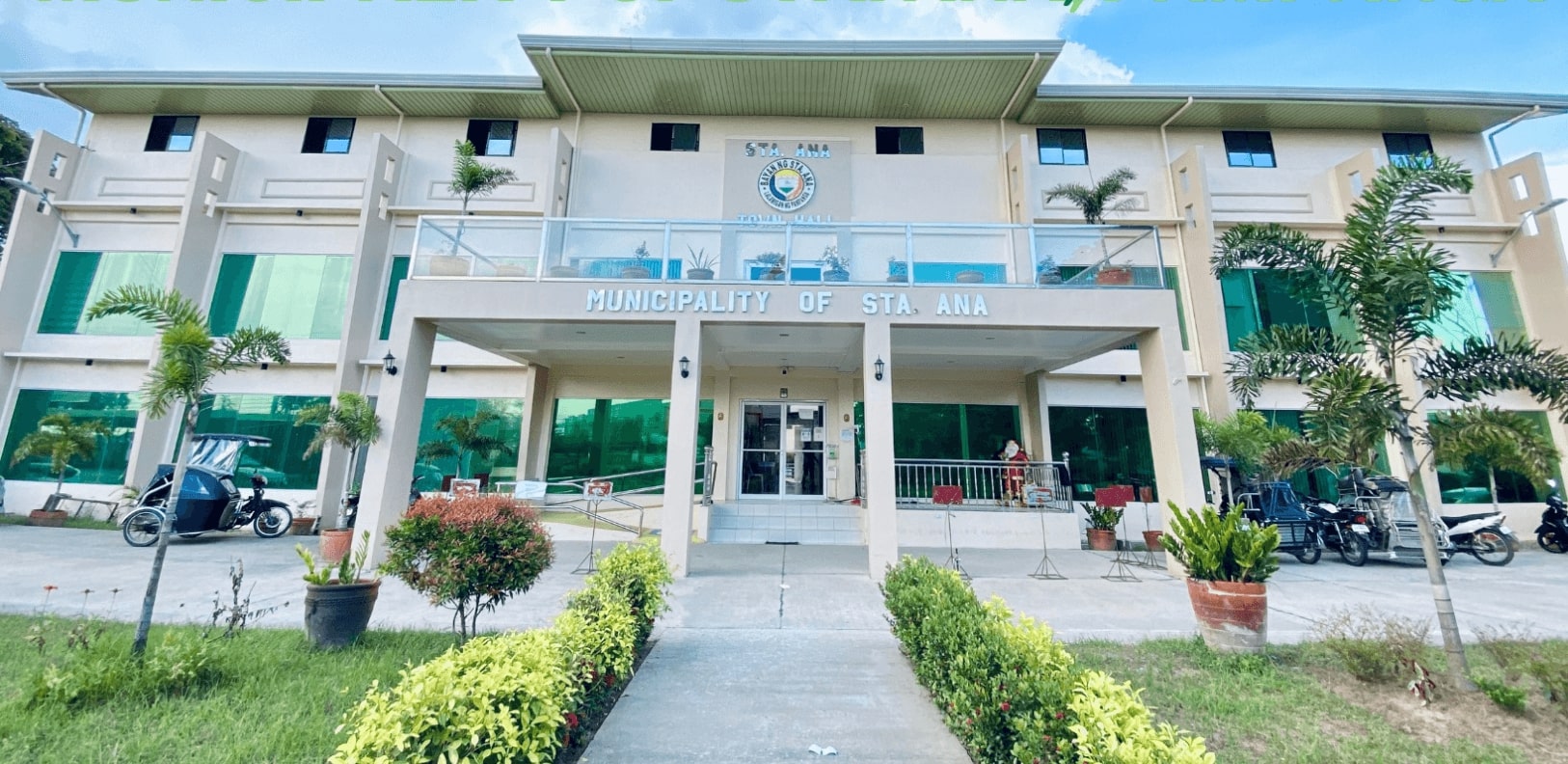
Sta. Ana is considered one of the smallest towns of Pampanga, but it has a most colorful and amusing story. Previously it was named BalenPinpin meaning Laid Aside, or by the side. Town folks amusingly refer to as a small town which you can put aside. The nickname Pinpin came about when the town lost several barrios in 1810 to Arayat, Mexico and San Luis. It was originally part of the vast tracts of forest land, mainly bamboo groves, ranging from Apalit and Be- tis. As years passed more people come to set- tle permanently in the place and they cleared the area. The Spaniards then came in the 1600s and soon established in 1760 a parish and then in 1836 put up a church to serve the increased number of inhabitants.
History of Sta. Ana

Mission
We envision the Municipality of Santa Ana as a progressive town in
the heart of Pampanga by the year 2030, with empowered,
God-loving, law-abiding and self-reliant citizenry living in an
economically competitive, ecologically-balanced, disaster-resilient,
peaceful and safe environment led by unified, strong and competent
leaders

Vision
We aim to deliver basic services encompassing the
political-social-economic agenda of the local government for the
benefit and welfare of the entire constituency of Santa Ana through a
clean, safe, transparent, efficient and effective implementation of
programs and policies.
Social Development
Social development in Santa Ana, Pampanga focuses on improving residents’ quality of life through livelihood programs, health services, education, and disaster preparedness. Initiatives include skills training, medical missions, scholarships, and youth empowerment, ensuring inclusive growth and community resilience.